Think of it like a greenhouse for fish. We create the ideal water conditions for salmon to grow healthy and strong while protecting our coastal ecosystems.
Think of it like a greenhouse for fish. We create the ideal water conditions for salmon to grow healthy and strong while protecting our coastal ecosystems.
Our salmon are raised in a controlled Bluehouse environment on land, which allows us to produce consistent, high-quality salmon, while upholding the highest food safety standards, and avoiding many of the challenges associated with net-pen ocean farming.
Inside the Bluehouse we carefully control:
• Water temperature
• Salinity
• Current
• Oxygen levels
• Lighting
• And more
This allows salmon to grow in optimal conditions throughout every stage of life.
Visit bluehousesalmon.com/bluehouse-tour to experience the Bluehouse journey from egg to plate.
Benefits of land-raised include:
• No antibiotics or pesticides
• No exposure to parasites or wild fish disease
• No risk of fish escaping into the ocean
• No direct ocean pollution from farming operations
Bluehouse Salmon is:
• Raised in the U.S.A.
• Processed onsite in Florida
• Delivered fresh by truck instead of air
This means Bluehouse Salmon arrives faster, fresher, and with a much lower carbon footprint than imported salmon. Bluehouse Salmon can reach grocery store shelves in as little as 2-5 days. Imported salmon can takes at least 7-9 days.
This ancient artesian aquifer contains water that is more than 20,000 years old and naturally protected from modern contaminants such as microplastics. At our facility, over 95% of the water we use is saline, which is not suitable for irrigation or drinking, and less than 5% is freshwater.
We operate a highly efficient recirculating system that recycles more than 99% of the water, allowing us to raise salmon responsibly while minimizing water use.
In addition to supporting sustainable seafood production, our Florida Bluehouse creates hundreds of jobs and helps strengthen the domestic seafood supply in the United States.
Bluehouse Salmon is:
• Rich in Omega-3 fatty acids
• High in protein (23g per serving)
• Raised in saltwater source free from mercury or microplastics
• Heart-Check Certified by the American Heart Association
The American Heart Association recommends eating fatty fish like salmon at least twice per week.
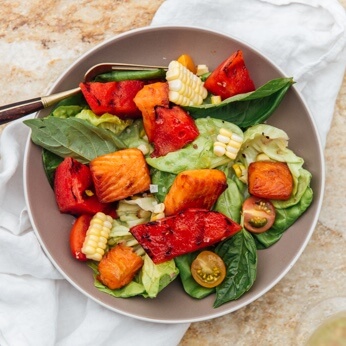
It’s delicious simply grilled, roasted, or pan-seared, and pairs well with a wide variety of seasonings and sauces.
Yes. Food safety is a top priority.
Our facility is certified to the highest SQF food safety standards, and we can trace every fish from egg to harvest.
This level of traceability ensures consistent quality and accountability.
Bluehouse Salmon eat a balanced diet designed to match the nutritional needs of wild salmon while reducing pressure on ocean resources.
Their feed includes a mix of:
• High-quality proteins
• Healthy fats
• Vitamins and minerals
• Antioxidant carotenoids support their natural pink color
Every ingredient in our feed supply is certified, meeting or surpassing regulations in the USA and Canada.
The humane treatment of our Bluehouse Salmon is our priority because healthier fish just tastes better.
Visit our blog to learn more:
bluehousesalmon.com/feeding-the-future-with-bluehouse-salmon/
Like all salmon, Bluehouse Salmon get their pink color from astaxanthin, a naturally occurring carotenoid found in the marine food chain. In the wild, salmon consume astaxanthin when they eat krill and other small organisms.
In our Bluehouse, we add astaxanthin to the salmon’s carefully formulated feed to replicate this natural diet. Astaxanthin supports the salmon’s natural color, immune system, and overall health.
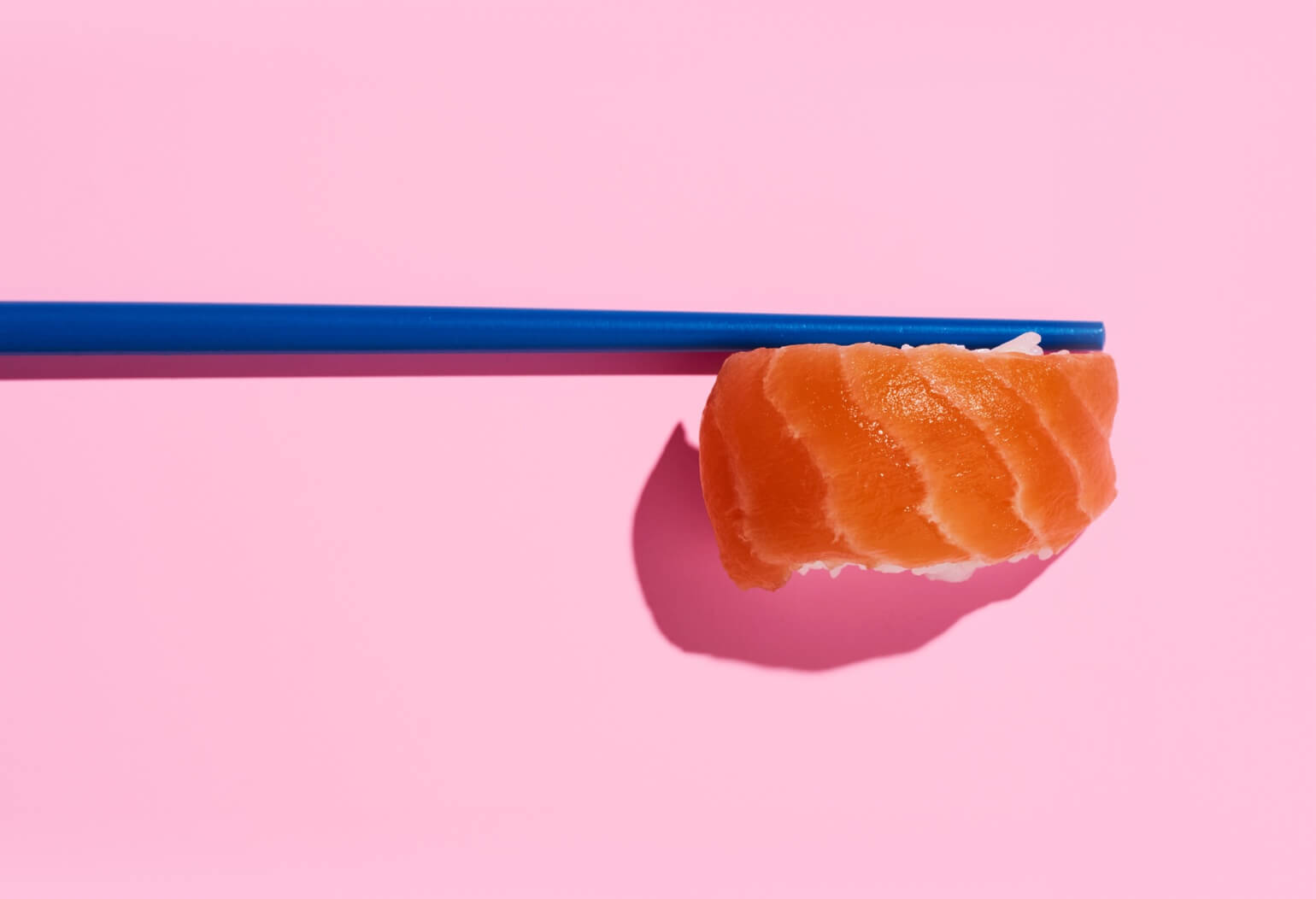
While the term “sushi-grade” isn’t officially regulated, Bluehouse Salmon is well suited for raw preparations such as poke or crudo.
Our salmon are raised indoors in a fully controlled, biosecure environment where they are not exposed to ocean parasites or wild fish diseases.
From raising to harvest, our fish are handled under strict food safety and quality standards, helping ensure a clean, fresh product.
Because final handling happens at the store level, customers should always check with their fishmonger to confirm how the fish has been stored and handled before using it for raw preparations.
Our Bluehouses are green. Bluehouse Salmon protects our oceans by re-imagining fish farming, top-to-bottom. By raising our fish on land, we take pressure off our wild fish populations and avoid the wastes, hormones, parasites, and antibiotics associated with sea-based fish farming. We use 99% recycled water through advanced water filtration systems, and release no harmful toxins into ocean waters.
Salmon are efficient growers: just 1 lb of food results in 1 lb of growth in these fish, and the acreage needed to raise salmon is much less than that required for herd animals. Our USA-raised salmon, distributed by truck from Florida to eaters across the USA, also reaches you at a fraction of the carbon footprint of imported salmon.
Wild fish need our support. According to the
Our land-based Bluehouses release zero contaminants into our oceans, offer zero escapee risk, put no pressure on wild fish populations, and cause no harm to sea lions or other adjacent species.
• Rated Green Best Choice by Monterey Bay Aquarium’s
Seafood Watch
• ASC-Certified (The first salmon producer in North
America to achieve this certification)
Choosing Bluehouse Salmon helps support responsible seafood production while protecting our coastal ecosystems.
In May 2024, we officially become a participant in Florida Power & Light’s (FPL’s) SolarTogether program, allowing us to source 45% of our total energy consumption from renewable solar energy in the Sunshine State. And we aren’t stopping anytime soon! We plan to increase and then source 100% renewable energy from FPL without the use of carbon offsetting.